Before hospitals and trained doctors became widely accessible in Appalachia, illness was usually treated at home. Mountain families depended on local healers, practical experience, and remedies made from plants growing nearby.
Distance made self reliance necessary. A doctor might live many miles away, and rough roads could delay his arrival for hours or days. Many families could not afford his fee. When someone became sick, injured, or went into labour, neighbours often turned to a granny woman.
Granny women served as midwives, nurses, and healers. Their knowledge passed through families and communities. They learned to recognise common illnesses, assist with difficult births, dress wounds, prepare the dead, and comfort grieving relatives. Some kept written notes, while others relied on memory.
Their medicine came from forests, fields, and gardens. Ginseng was valued as a tonic. Goldenseal appeared in preparations for sores and other complaints. Wormwood, dandelion, soapwort, pokeweed, and many other plants were made into teas, salves, poultices, or tinctures.
Not every remedy was safe or effective. The strength of a preparation could vary, and plants such as pokeweed could be poisonous. Healers worked without laboratory testing, accurate dosing, antibiotics, blood transfusions, or many of the diagnostic tools available today. Their successes rested on observation and experience, but mistakes could have serious consequences.
Folk medicine also included beliefs about the spiritual world. Some healers paid attention to dreams, signs, prayers, and family customs. Physical illness, grief, faith, and superstition often existed together. A healer might prepare an herbal remedy, recite Scripture, and sit with the patient through the night.
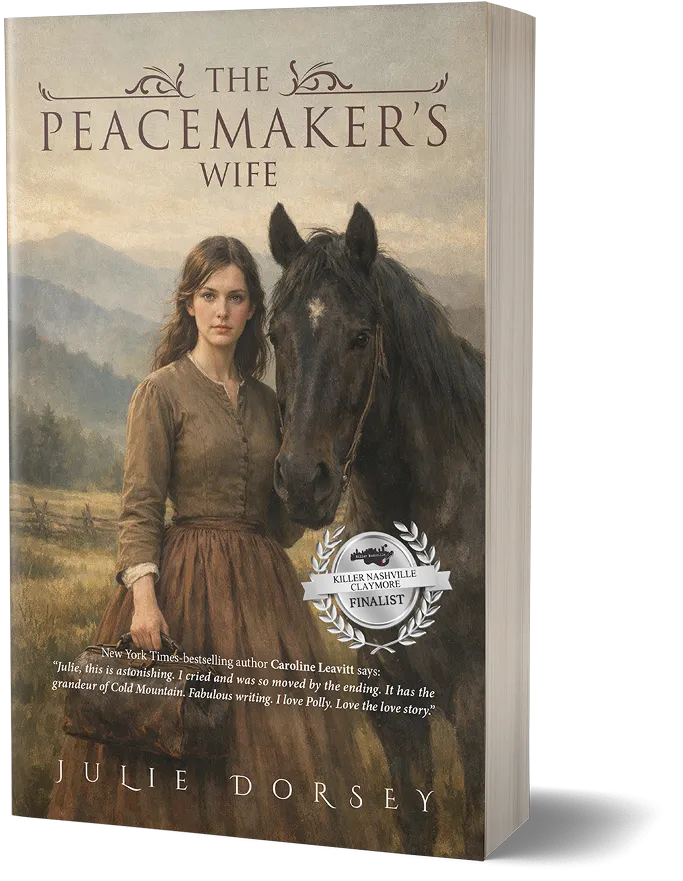
This tradition shapes Julie Dorsey’s historical novel, The Peacemaker’s Wife. Set in the Blue Ridge Mountains during the Civil War era, the story follows Polly, a young woman determined to practise medicine despite limited schooling and a husband who tries to stop her.
Polly learns from Nan Clark, the granny woman of Blue Ridge. She studies medicinal plants, reads The Medical Companion, and gradually earns the trust of her neighbours. Her medical bag becomes a sign of independence as well as service.
The same knowledge that allows Polly to save lives eventually presents her with a grave moral choice. When a suspected murderer escapes justice, she must decide whether medicine can be used to protect her community by taking a life.
Loosely inspired by Dorsey’s great great grandmother, Doctor Polly King Justice, The Peacemaker’s Wife remembers the women who carried medicine into remote cabins long before a hospital stood within reach.