At first glance, love and possession can appear almost identical. Both may involve intense emotion, longing, devotion, and attachment. Both can make a person feel wanted and important. Yet beneath the surface, they are completely different forces. One allows a person to grow freely while the other slowly tightens its grip until fear replaces peace.
This emotional tension lies at the center of many unforgettable stories, especially powerful historical fiction that explores relationships shaped by survival, isolation, and control. In this novel set within the rugged Blue Ridge Mountains of the eighteen fifties, readers witness how easily devotion can turn into ownership and how dangerous that transformation becomes for the human spirit.
Real love values another person as an equal. It allows room for thoughts, dreams, friendships, and independence. Love may contain jealousy at times because human beings are imperfect, but healthy love does not seek domination. It does not require fear in order to survive. A loving relationship creates safety, not silence.
Possession works differently. A possessive person often sees love as ownership rather than connection. Instead of wanting closeness, they want control. They monitor behavior, question loyalty, demand obedience, or become threatened by independence. What begins as attention may slowly become isolation. What first feels flattering may later feel suffocating.
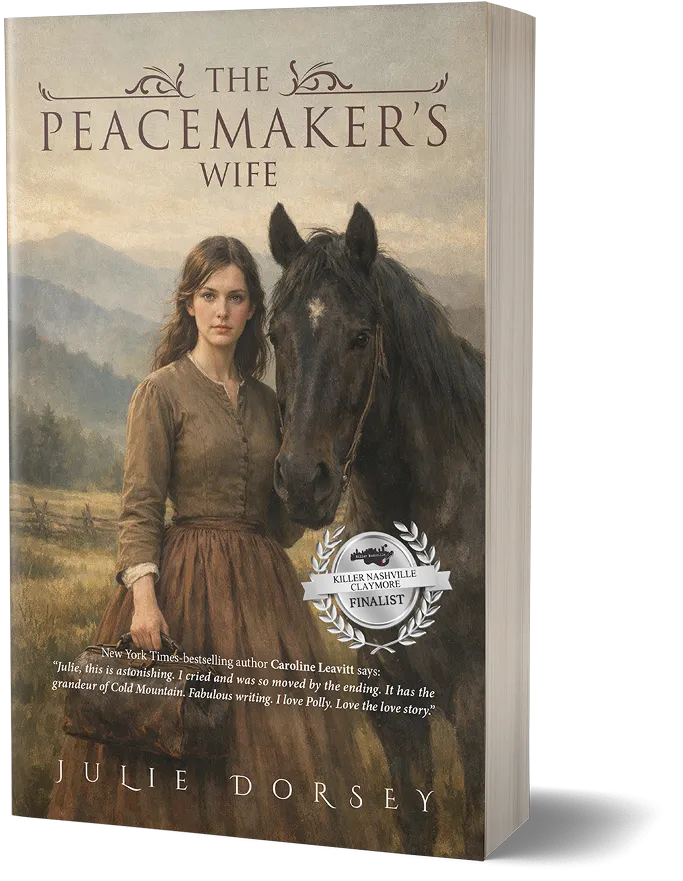
In the novel, Polly Justice learns this painful truth after entering marriage filled with hope and longing. Early affection gives way to emotional control, anger, and violence. Her husband’s desire to keep her close slowly reveals itself not as protection but as possession. Readers witness the heartbreaking confusion many women experience when love and fear coexist within the same relationship.
What makes the story especially powerful is its emotional honesty. Polly does not immediately recognize the danger surrounding her because possession often disguises itself as devotion. A controlling person may insist their jealousy proves love. Their anger may be excused as passion. Their demands may appear rooted in care. Over time, however, the truth becomes impossible to ignore.
The Peacemaker’s Wife explores how possession strips away identity piece by piece. Polly’s dreams, confidence, and sense of freedom begin shrinking beneath the weight of her marriage. Yet despite her suffering, she continues searching for meaning through healing, knowledge, and her connection to the women around her. Her struggle becomes not only a fight for safety but a fight to remain herself.
Readers who appreciate emotionally layered historical fiction will find themselves deeply moved by the realism within these pages. The story captures both the tenderness people crave and the darkness human relationships can conceal. Against the backdrop of mountain storms, herbal medicine, hidden guilt, and buried secrets, the novel paints a haunting portrait of what happens when love becomes tangled with control.
At its heart, the book asks difficult but important questions. Can love survive without freedom? Can devotion exist without respect? What happens to a person forced to live as somebody else’s possession?
Rich with atmosphere, emotional complexity, and unforgettable characters, The Peacemaker’s Wife offers readers far more than romance or historical detail. It is a deeply human exploration of power, survival, and the difference between being cherished and being owned. For readers drawn to emotionally intense Southern fiction, this story lingers long after the final page.
Get copy from amazon: https://www.amazon.com/dp/B0GHKW5LCV/